The impact of overconsumption
In today’s consumer-driven society, purchasing new items has become second nature. Whether it’s tools, home appliances, or recreational equipment, people often buy products they only use once or twice before they are left to collect dust or, worse, end up in landfills. This cycle of overconsumption contributes to an overwhelming amount of waste, increases carbon emissions, and depletes natural resources. However, there is an alternative: renting instead of buying. By shifting towards a rental-based economy, we can reduce waste, extend the lifespan of products, and contribute to a more sustainable and circular way of living.
The environmental cost of buying more than we need
Every product we purchase goes through a complex process before reaching our hands. From raw material extraction and manufacturing to packaging and transportation, each stage demands significant amounts of energy, water, and other resources. The result is an increase in carbon emissions and industrial waste that pollutes the environment. When these products become obsolete or unwanted, they are often discarded, adding to the growing waste problem. Many people do not realise the long-term environmental impact of their buying habits. For example, a power drill is typically used for only 13 minutes throughout its lifetime, yet millions are produced, purchased, and discarded every year. The same applies to various home appliances, gardening tools, and even vehicles. The production of these items requires metals, plastics, and chemicals that take hundreds of years to break down in landfills. If more people chose to rent such items instead of buying, it would significantly reduce the number of new products manufactured and discarded each year.
Renting as a sustainable alternative
Renting offers a practical and sustainable solution to the waste crisis. Instead of every household owning an item that is rarely used, one shared product can serve multiple people over an extended period. This not only reduces the demand for new manufacturing but also ensures that items are used to their full potential before reaching the end of their life cycle. By adopting a rental model, individuals and businesses can contribute to waste reduction, resource conservation, and lower carbon emissions. Consider an event planner who needs party supplies such as tables, chairs, and decorations. Instead of purchasing these items for a one-time occasion, they can rent them, avoiding unnecessary clutter and waste. Similarly, someone working on a DIY project might need a high-powered drill for a single day, making renting a far more economical and environmentally responsible choice. In both cases, renting minimises unnecessary consumption and ensures that products are being used efficiently rather than sitting unused for years.
Financial and practical benefits of renting
Beyond its environmental benefits, renting is also a financially savvy decision. Many people spend large sums of money on products they use infrequently, only to later realise that the cost was not justified. Renting eliminates the need for such unnecessary expenses, allowing individuals to access the items they need at a fraction of the cost. Renting also helps with decluttering and storage issues. Instead of storing bulky tools, appliances, or equipment that take up valuable space in homes and garages, individuals can simply rent what they need, when they need it. This is particularly beneficial for city dwellers and those living in smaller spaces where storage is limited. Additionally, renting gives people access to high-quality and well-maintained products without the financial burden of ownership. Many rental platforms ensure that items are regularly serviced, meaning renters receive products in excellent working condition without having to worry about maintenance costs.
How Sqaner makes renting easy
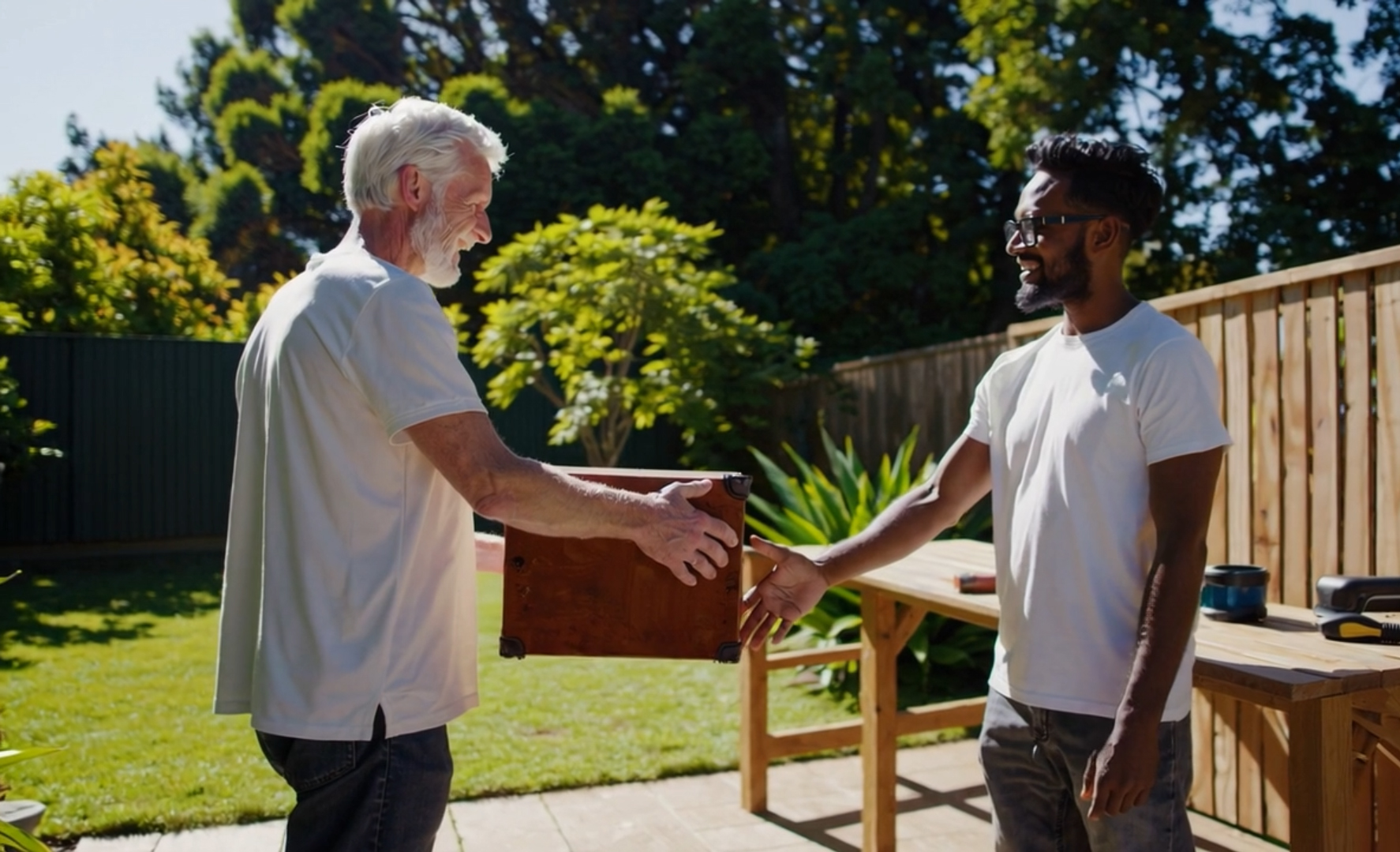
Sqaner is leading the way in making renting more accessible, secure, and convenient. As a peer-to-peer rental platform, it connects people who own underutilised items with those who need them. This allows users to earn money by lending out their items while helping others save money and reduce waste. By using Sqaner, people can list or rent a wide range of items, from power tools and electronics to outdoor equipment and home appliances. Instead of spending hundreds of dollars on something they might only use once, renters can find affordable, short-term access to what they need while contributing to a more sustainable and waste conscious economy.
A smarter way to consume
The shift from a buying culture to a renting culture is a necessary step toward reducing waste and promoting sustainability. Every item rented instead of purchased means fewer products being manufactured, less waste ending up in landfills, and a significant reduction in carbon emissions. By embracing rental platforms like Sqaner, individuals and businesses can play an active role in protecting the environment, saving money, and making smarter consumption choices. Renting is more than just a practical alternative- it’s a movement towards a more responsible and sustainable future. Visit www.sqaner.com today and be part of the Reuse Revolution.
Back to all articles